

The two big money questions almost everyone asks by the end of January
And, learn the basics about your pension in my column in The Times.
What’s in the newsletter?
Feature: The two big money questions everyone asks by the end of January
From Bec’s Desk: Should I start a podcast in the UK?
Read my article in The Times: Five simple things most savers don’t know about their pensions


The two big money questions everyone asks in January
There’s a moment that seems to happen to most of us, at the beginning of every year. And once you’re in your 50s and 60s you really do start to feel it.
The holidays end. The kids go back to school if they’re still with you. The diary refills with things you ‘have’ to do. Work cranks back up to full pace. And somewhere between ironing work clothes, sorting lunches, fighting the commute and clearing the holiday backlog in your inbox, two or three weeks into the year, a quiet but persistent thought starts tapping you on the shoulder:
How long do I really have to keep doing this? When can I retire?
For some people, the next step is to get proactive and start running the numbers. How much do I have in my pensions? What am I likely to get from the State Pension? How far away can retirement really be?
For others, there’s no numbers moment at all. They resign themselves to the belief that it’s simply too many years to bother counting, and do nothing.
Whichever type of person you are, if this question is even crossing your mind, it’s worth paying attention.
Because no matter how much you have, or don’t have, or how hard you work, almost everyone can take early steps to get better control over their ability to choose how and when they step back from work, rather than simply waiting for a distant age or magic number to arrive.
And a break from the usual pace of work has a way of sharpening perspective and giving you a good motivation to put the work in. Time away with family or friends, or simply time with fewer demands, reminds us what life feels like when it isn’t tightly packed. When work routines snap back into place, it’s natural to wonder how long life is meant to feel like this.
For many people, that question isn’t really about retiring tomorrow. It’s about gaining more control, and having more say over how work fits into their life, rather than the other way around.
The problem is that “When can I retire?” is a blunt question. It treats retirement as a single finish line, rather than a series of gradual decisions made incrementally, ideally with financial confidence over time. It frames the goal as stopping, rather than adjusting, reshaping or transitioning into a new phase of life.
What many people should really be asking is something more useful: how to decide what is enough, and how to build a life that allows for real choices well before paid work dries up.
That’s where practical steps matter, taking small, deliberate actions that build flexibility over time.
The first step is simply understanding what you already have, and what that actually gets you.
For most people in the UK, that starts with getting a clearer picture of their pensions. That might include a current workplace pension, one or more older schemes from previous jobs, and possibly a personal pension or SIPP, alongside an understanding of what the State Pension is likely to contribute. Rather than treating pensions as abstract balances to worry about later, it’s worth seeing them as a system that will shape the choices available to you over time.
Most pension providers now offer online tools that make this easier than it once was. With a bit of time and a login, you can see your current balances, explore what level of income they might translate into later on, and test how small changes now, such as increasing contributions, could affect the outcome over time.
The second step is to think about how you want life to look over the years ahead.
Once you have a clearer sense of what you have and how it might support you, the task isn’t to squeeze more out of every pound in your budget or rush towards an exit in burnout. It’s to start thinking about the shape of the life you want over the years and decades ahead, and how work, money and time might fit together.
This is a type of consideration that only people with some financial stability can afford to have. That, in itself, is a reminder that doing the work to understand your position is worthwhile.
For many people, that doesn’t mean stopping work early or making dramatic changes. It means asking more practical questions about how work might evolve over time. What would life look like with fewer days, or more flexibility in when and how you work? If your current role is wearing you down, are there different types of work you might prefer later on, and is it worth thinking about that sooner rather than later?
This kind of thinking isn’t short-term or exhausting. It’s not about maximising or hacking your way out of work. It’s about using the information you have to gradually and deliberately widen the range of options available to you.
The third step is not leaving everything until the last minute. Making small adjustments earlier in life can allow for far more choice later on.
That often starts with the unglamorous basics. Taking a clear look at your spending to make sure you’re living within your means and building some savings, even if they’re modest. Reducing or clearing debt where possible. Thinking ahead about housing decisions, including whether a future move could reduce costs or free up capital. None of these decisions need to be rushed, and they won’t suit everyone. But made earlier rather than later, they can materially change how much flexibility you have over work, income and lifestyle in the years ahead.
So as January ends, this is a good moment to use these nagging questions constructively. Not to chase a retirement date, but to spend some time understanding your numbers and what they actually allow for.
Done well, that means next January doesn’t arrive with the same sense of uncertainty. Instead of asking “When can I retire?”, you have a clearer sense of your options. When part-time work might be possible. How flexible you can afford to be. And, eventually, when stopping altogether could become a choice rather than a leap into the unknown.

It’s been a week since I left the chilly weather of the UK behind and landed back in Australia for a very warm start of the year. It’s going to be a busy one.
I have lots of travel ahead, to deliver retirement education, and our biggest focus for Q1 is completing our How to Have an Epic Retirement Flagship Course for the UK. This will launch in May we’ve decided. You can register your interest here. The first program is always run as a discounted pilot - a great way to get an awesome deal. It’s a well-loved program in Australia and we’re rebuilding it completely for the the UK.
And, the book is selling like hot cakes. Thousands of books have sold in less than two months! Thank you to everyone who has bought one. I really am thrilled you’re enjoying it, and sharing the stories and lessons with your friends and community. You can get your copy on Amazon here. And after you’ve read it - please leave me a review. It really helps!
I’m toying with launching a podcast in the UK, specifically for the UK community. What do you think? Want to learn more about retirement and the years before it - and how to make it epic?
And, if there’s ideas you have for what you need help with - hit reply and send me an email. I’d love to get your input and insight into topics you want covered while we’re doing out 2026 planning. Now, have a lovely Sunday!
Cheers - Bec Xx

Author, podcast host, columnist, retirement educator, and guest speaker

Five simple things most savers don’t know about their pensions
If you feel lost when it comes to retirement planning, you are not alone. Bec Wilson explains the basics
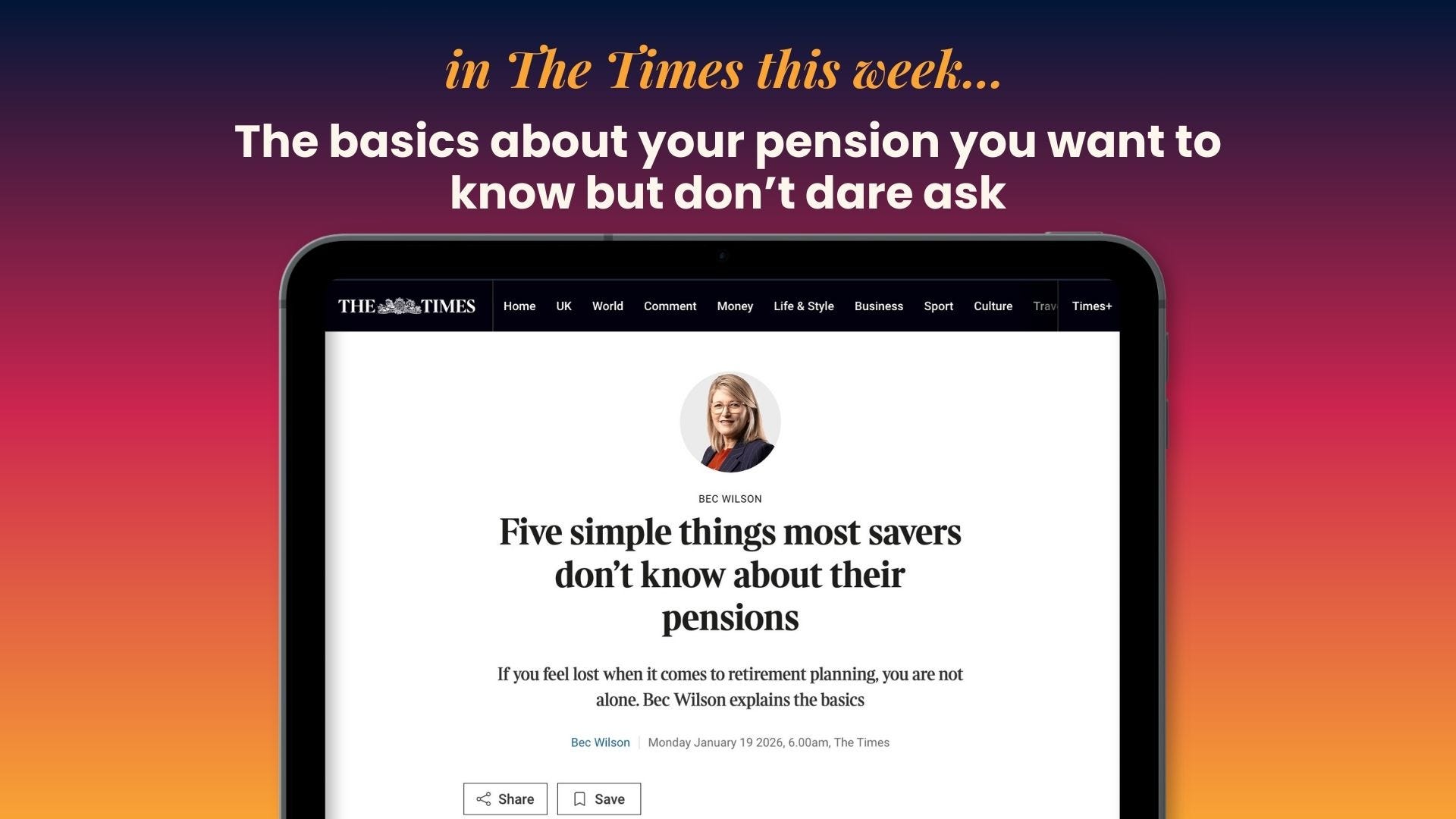
I know this is The Times, and most readers here are smart, savvy and financially literate in their professional lives. But one thing I’ve learnt, after years of talking to people on the street and in boardrooms, is that pensions are still a mystery to far more people than you might expect.
In fact some of the most impressive, high-achieving people I know have quietly sidled up to me at parties to ask questions about their pension that surprise me in their simplicity. Not because they’re foolish but because no one ever really taught them the basics. And because pensions are one of those topics people feel they should already understand, many are reluctant to ask for fear of looking ignorant.
I’m here to say this plainly. Starting with the basics matters, even if you’re successful, good at your job and earning well. In fact, most especially then.
I’m a big believer in practical foundations and helping people learn without embarrassment. So today I want to walk you through five simple things you can do with your pension that many people don’t realise but absolutely should.
I’m the Retirement Columnist for The Times. This is an excerpt. Read this article in The Times.

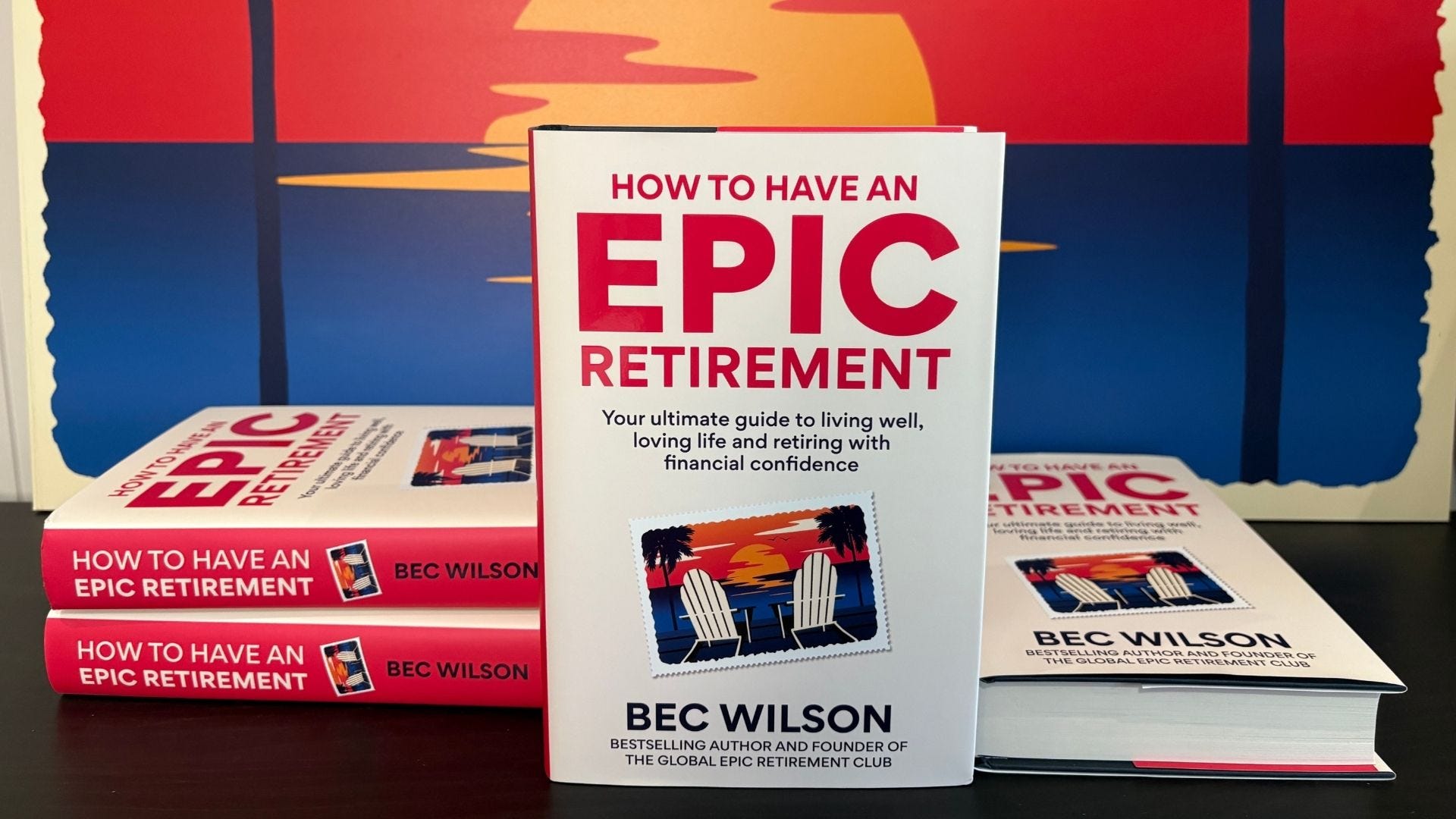
Get your copy of the new UK Bestselling pre-retirement guidebook, How to Have an Epic Retirement: Your ultimate guide to living well, loving life and retiring with financial confidence.
Really appreciate this reframing. Switching from "when can I quit" to "how can I build flexibility" changes the whole dynamic becasue it's less about hitting some magic number and more about gradually reshaping things. That January reset feeling defintely hits different when work ramps back up.